
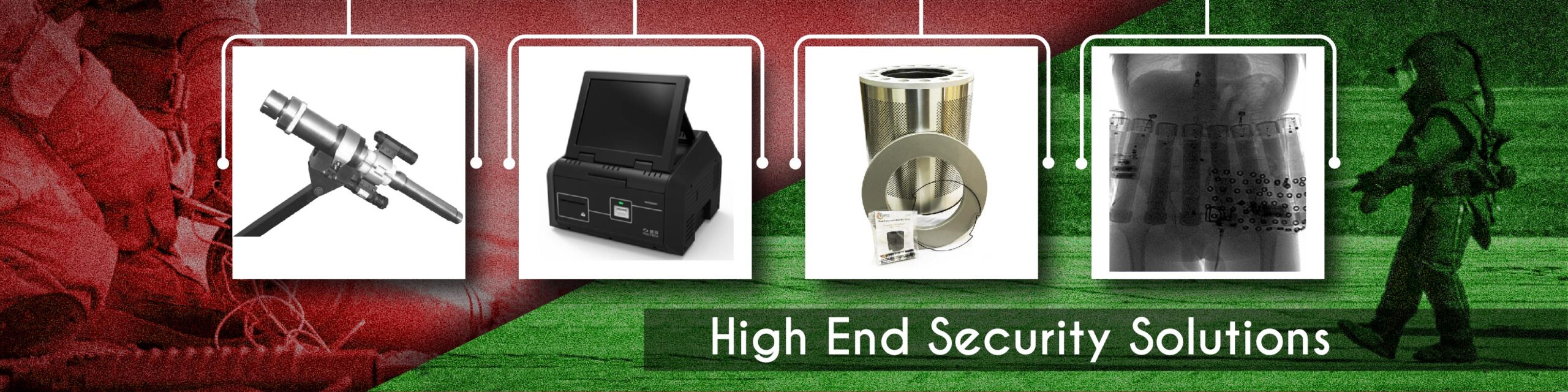
Understanding Electronic Device Detection in Security & Tactical Environments. Non Linear Junction Detection (NLJD) is a specialized electronic detection technology used to locate hidden electronic components — even when devices are powered off.
Non Linear Junction Detection (NLJD) is a specialized electronic detection technology used to locate hidden electronic components — even when devices are powered off.
Unlike metal detectors or imaging systems, NLJD equipment does not rely on object shape or visible characteristics. Instead, it identifies electronic circuitry through radio frequency interaction.
This guide explains what Non Linear Junction Detection is, how it works, and where it is deployed within structured security environments.
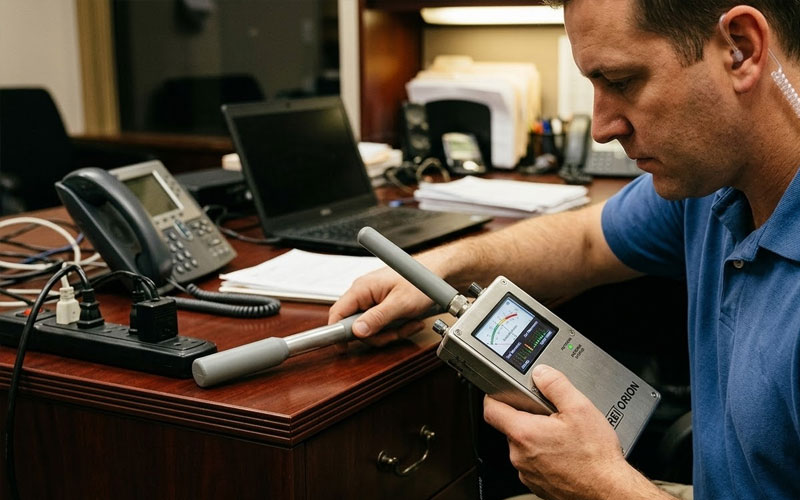
These components create “non-linear junctions” — electrical junctions that respond uniquely when exposed to radio frequency signals.
NLJD systems transmit a controlled RF signal and analyze harmonic responses from semiconductor materials. If semiconductor components are present, the system detects characteristic signal reflections. This allows detection of hidden electronics.
The system detects devices even if they are:
The system detects electronic structure — not active transmission.
The process follows structured steps:
Metal detectors identify metallic objects. NLJD identifies semiconductor electronics. Metal objects without circuitry may not trigger NLJD. Electronic devices with minimal metal may still be detected via NLJD. They serve different detection purposes.
X ray systems visualize structure. NLJD detects electronic circuitry. X ray may identify shape. NLJD confirms presence of electronic components. They are often deployed together in layered security models.
NLJD systems may be integrated within Bomb disposal kits, Tactical units, and Security sweep protocols. They complement Portable X Ray scanners, Bomb suits, and Robotic platforms.
Requires periodic calibration, antenna inspection, battery management, and software updates. Modern NLJD systems include signal discrimination algorithms and adjustable sensitivity to reduce false positives.
Connect with our technical team to discuss structured electronic device detection for high-security environments.
📞 Request Tactical Proposal